When Music Heals: Artists Uplifting Communities
Today we spotlight musicians giving back through benefit performances, hands-on workshops, and compassionate music therapy outreach, celebrating artists who transform stages into support systems, classrooms into launchpads, and melodies into medicine. Expect practical guidance, moving stories, and ways to participate. Join us to discover how a concert funds therapy sessions, how a Saturday class ignites confidence, and how a lullaby eases anxiety in hospital corridors. Share, subscribe, and bring your voice to a growing chorus that believes kindness can be amplified.
From Setlist to Support: Planning a Concert with Purpose
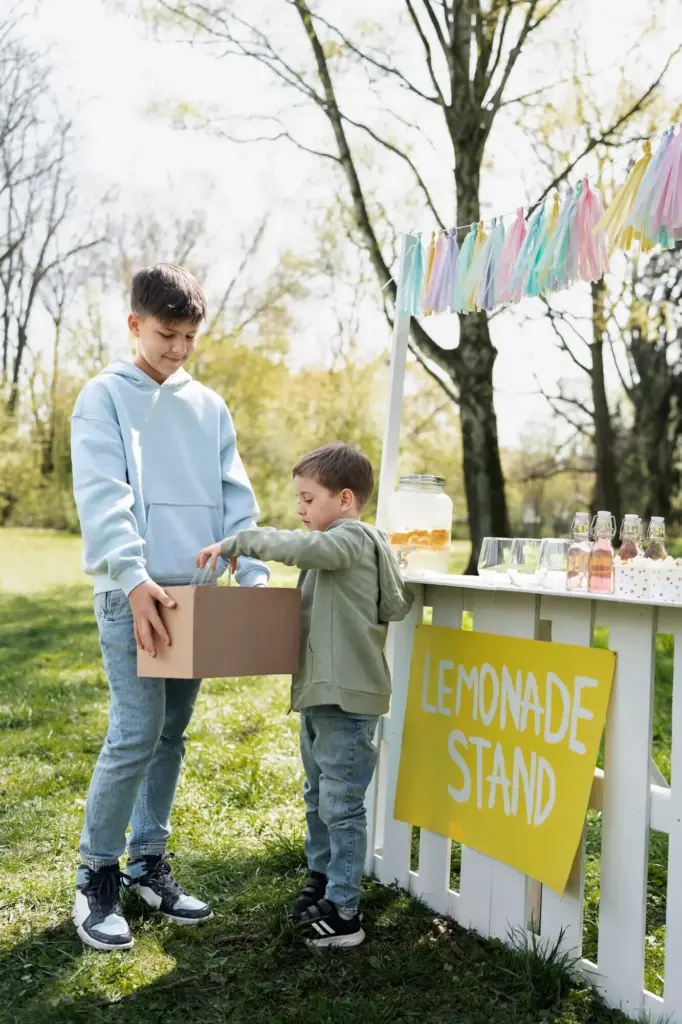
Begin with clarity: who benefits, how funds are handled, and which outcomes matter. Choose collaborators who understand community needs and can communicate them convincingly. Craft a setlist that tells a story, punctuated by brief, heartfelt appeals grounded in facts. Add donation QR codes, sliding-scale tickets, and corporate matches. Publish budget snapshots and timelines. When audiences see a concrete path from ticket to tangible change, generosity rises, and artists feel proud knowing their sonic energy translated into measurable care.
A Night, A Stage, A Clinic Funded
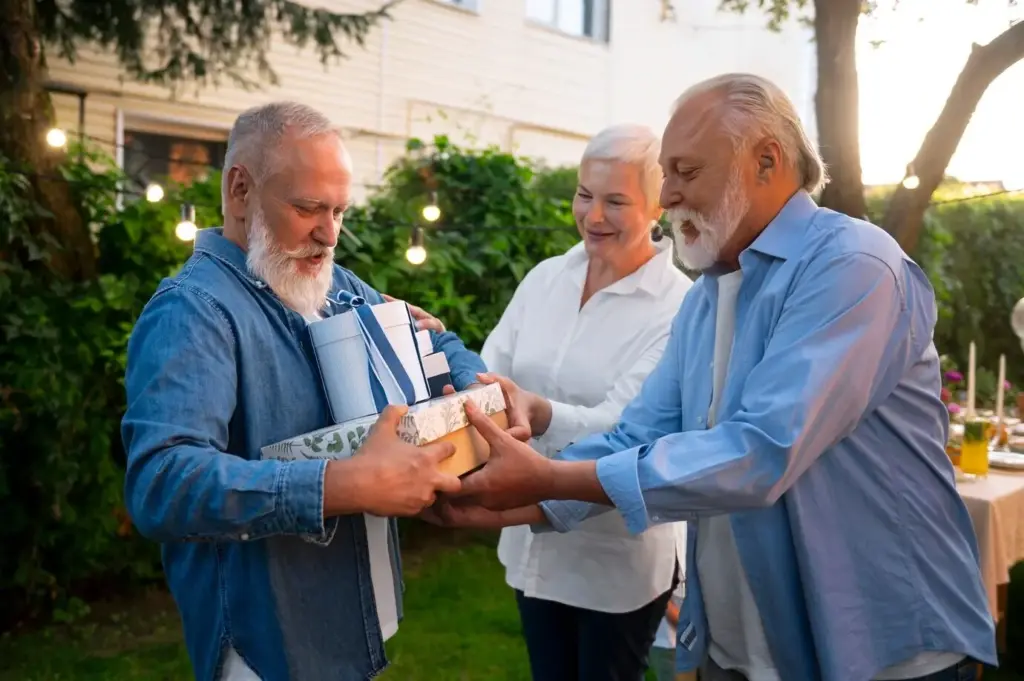
At a small theater, a trio dedicated an evening to expanding a neighborhood therapy clinic. Between songs, a counselor described anxiety’s daily toll and how music calms racing thoughts. Merch tables displayed impact pledges and progress boards updated live. By final encore, the thermometer graphic crossed the goal. Weeks later, photos arrived: new instruments, soundproof panels, and scheduling software. Donors were tagged in a thank-you video featuring a gentle waltz composed for the community. Music carried the promise, and the promise took root.
Impact You Can Trust: Reporting, Receipts, and Real Outcomes

Trust grows when artists and partners publish outcomes with humility and precision. Share receipts, anonymized stories, and simple dashboards tracking counseling hours funded, workshop seats opened, or hospital visits supported. Invite questions, and audit occasionally. Use follow-up performances to report back, not just raise again. When supporters see continuity, not one-off charity, they remain engaged, volunteer, and bring friends. Accountability is more than paperwork; it is an ongoing relationship where art and integrity perform a duet that invites everyone to sing along confidently.
Workshops That Open Doors
Start with accessibility: large-print materials, multiple pacing options, and clear visual cues. Include call-and-response for nonreaders and improvisation for advanced learners. Validate cultural styles by inviting local songs, rhythms, and stories. Build sessions around achievable milestones so early wins come quickly. Rotate leadership moments, letting participants conduct or cue transitions. Provide loaner instruments and quiet corners for sensory breaks. When instruction meets people where they are, learners surprise themselves, show up consistently, and request more sessions because they feel seen, heard, and truly invited to create.
Volunteers shine when prepared. Offer short trainings on de-escalation, trauma sensitivity, and collaborative teaching. Define roles clearly so helpers know when to demonstrate, observe, or step back. Model consent-based interactions, asking before touching instruments or adjusting posture. Celebrate small breakthroughs with appreciative language, never sarcasm. Debrief after each session to share insights and name challenges. When volunteers feel supported, they radiate calm excitement, and participants mirror that energy. The workshop becomes a safe constellation where learning, kindness, and musical growth orbit a shared purpose.
Great workshops thrive in libraries, community halls, living rooms, and sunny courtyards. Seek partnerships that exchange performances for room access. Source instruments through donation drives, repair clinics, and thrift rescues. Use buckets, shakers, and voices when gear is scarce. Portable amps and battery-powered keyboards keep sound flexible. Provide cleaning kits and label everything. Make a simple sign-out sheet to build responsibility. Small, thoughtful systems transform modest resources into a dependable studio, proving that creativity, stewardship, and community trust can outperform expensive gear every single time.
Music Therapy Outreach with Heart and Rigor
In hospitals, shelters, and eldercare homes, sound can offer comfort, distraction, and connection. Musicians collaborate with licensed music therapists to respect clinical boundaries and safeguard vulnerable participants. Sessions might soothe post-operative anxiety, accompany breathing exercises, or encourage gentle movement. Ethics matter: confidentiality, consent, and documentation align artistic empathy with healthcare standards. When artists honor protocols and learn from clinicians, they deliver consistent, compassionate experiences. Families witness quiet moments of relief. Staff feel supported. Music becomes a nonintrusive bridge that carries hope across difficult days with steady, respectful sensitivity.



Digital Stages and Hybrid Giving
Online concerts and virtual workshops widen access for people who cannot travel, while hybrid setups keep local energy vibrant. Streaming tools embed donation links, display progress bars, and trigger matching gifts in real time. Chat hosts welcome newcomers, moderate respectfully, and surface community resources. Recording highlights creates evergreen content for outreach. Captioning, multilingual subtitles, and accessible color palettes ensure inclusion. With thoughtful planning, digital stages feel intimate, transparent, and participatory, proving generosity resonates through headphones and living rooms as powerfully as in the front row of a theater.

Funding, Grants, and Sustainable Programs
Sustainability turns a powerful idea into a reliable service. Transparency and creativity are your best fundraisers: show budgets, publish milestones, and keep promises. Mix revenue streams—grants, memberships, merch, and micro-donations—to weather fluctuations. Share compelling narratives backed by data, and invite community ownership through advisory circles. Keep administrative costs honest and contextualized. Sustainability is not about glitz; it is about rhythm, showing up week after week so families know support will be there. The steadier the beat, the stronger the healing resonance becomes for everyone involved.
Budgets That Tell the Truth and Build Confidence
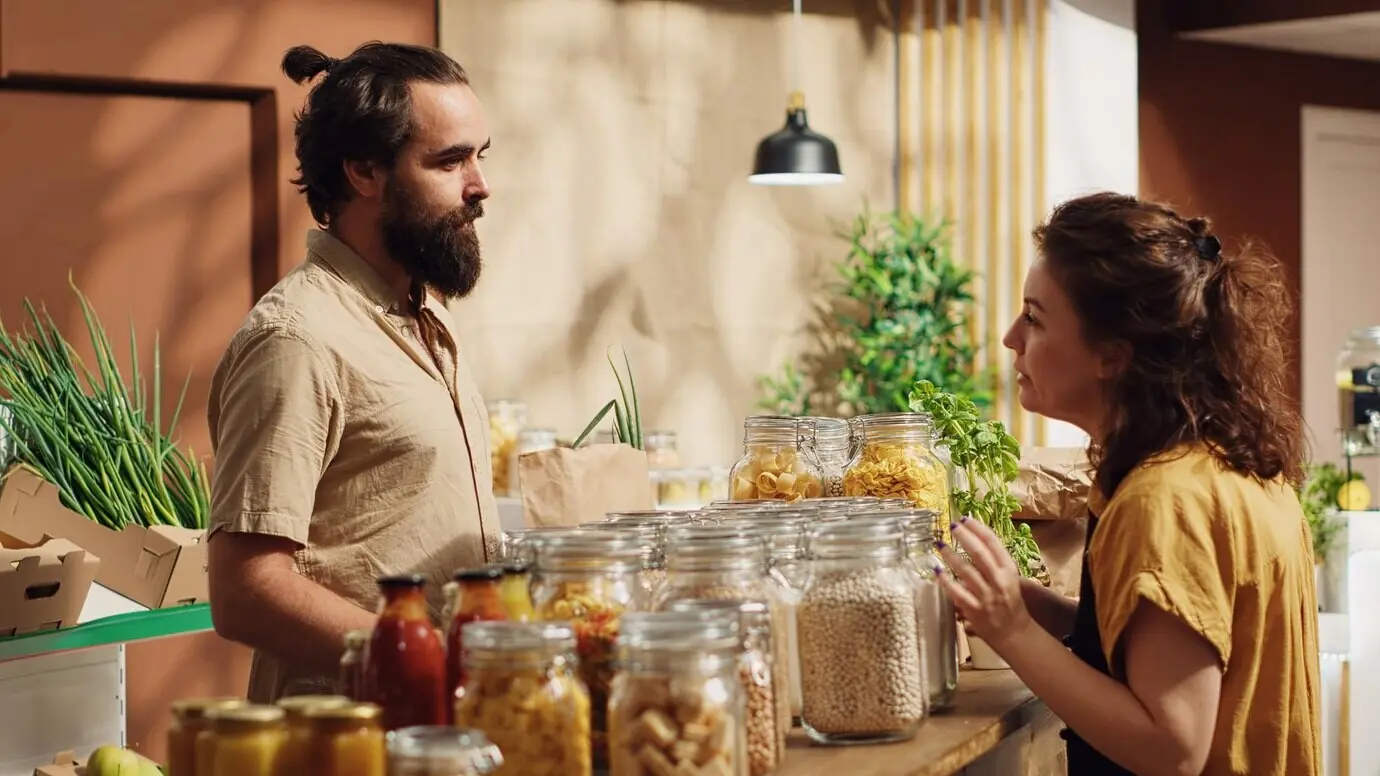
Map every expense: instruments, sanitizers, room rentals, training, insurance, and fair artist pay. Explain why each cost matters for safety and quality. Use simple charts and publish quarterly summaries. Invite feedback on priorities, and adjust transparently. When donors understand how dollars connect to experiences and outcomes, generosity shifts from impulse to commitment. Honest budgets protect staff from burnout, ensure continuity for participants, and make partnerships easier because clarity accelerates trust and keeps the mission protected from preventable surprises or fragile planning.
Grant Proposals That Sing with Story and Evidence
Marry narrative with numbers. Introduce a participant journey, then quantify change through attendance, retention, and wellbeing indicators. Cite credible research on music’s benefits, especially in clinical or educational contexts. Present achievable objectives, a realistic timeline, and a plan for evaluation and dissemination. Include letters from partners and photos with consent. Keep language clear, compassionate, and specific. Reviewers support proposals that feel credible, caring, and organized, where every claim is grounded and deliverables are attainable. When story and data harmonize, funding follows with confidence.
Memberships, Micro-Patronage, and the Power of Many
Small monthly gifts can sustain rent, strings, reeds, and rideshares. Offer members exclusive mini-concerts, behind-the-scenes notes, and early registration for workshops. Keep perks meaningful but mission-aligned. Encourage patrons to recruit friends with referral challenges that unlock scholarships. Celebrate milestones publicly and thank supporters by name when permitted. This distributed model builds resilience and community ownership, ensuring programs survive slow grant cycles and unexpected costs. Many modest beats create an irresistible groove that keeps services steady, compassionate, and ready for the next call.
Join the Chorus: Actions You Can Take Today

Volunteer Pathways for Every Schedule
Whether you have an afternoon or a season, there is a meaningful role. Help set chairs, tune instruments, manage chat rooms, or assemble care kits for hospital visits. Support documentation with photos and respectful captions. Offer transportation, tech checks, or grant proofreading. Mentors can coach practice habits or stage presence. With clear roles and a welcoming orientation, volunteering feels energizing rather than draining. You leave lighter, and participants feel the lift. Together, many hands turn musical intention into steady, dependable care.

Share the Signal: Subscribe, Comment, and Advocate
Algorithms notice your engagement. Subscribe for field notes, comment with encouragement, and repost impact updates. Tag local venues and potential sponsors. Host listening parties where friends learn about donation links and volunteer signups. Write a short testimonial about why you care. Advocacy builds visibility, and visibility attracts resources. The more the story circulates, the more instruments, lessons, and bedside melodies reach those who benefit. Your voice travels farther than you think, setting off echoes that return as real-world support and renewed momentum.

Ethics, Safeguarding, and Care for Caregivers
Protect participants and artists with thoughtful policies. Background checks, clear photo consent, and incident reporting keep programs safe. Rotate duties to prevent burnout. Offer debrief circles where staff can process emotions and celebrate wins. Model boundaries around communication and social media. Provide stipends, snacks, and transportation so generosity does not extract unpaid labor. Safety and sustainability are inseparable: when caregivers are cared for, they bring steadier presence, better music, and deeper listening, ensuring outreach remains compassionate, credible, and truly beneficial for everyone involved.

All Rights Reserved.